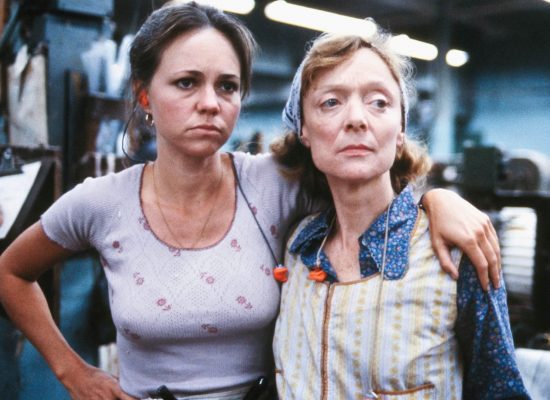


Director: Anne Lewis
Join us Thursday, March 5th at 7:00 p.m. for two excellent short films by Oscar-winning filmmaker Anne Lewis as our Appalachian Stories Film Series continues!
This event will include of pre-show presentation by Rose Frech
Admission is FREE – Tickets are required
About the films
This screening will be comprised of two short films by filmmaker Anne Lewis who served as the associate director and assistant camerawoman for the Oscar-winning 1976 documentary Harlan County, USA, a highly impactful exposé that detailed the efforts of a group of women who participated in a coal miners’ strike in southeast Kentucky.
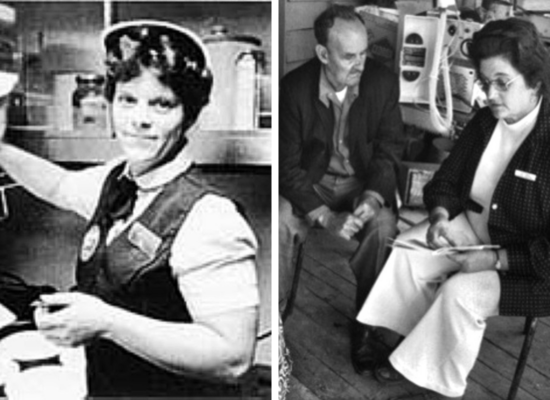
Fast Food Women (1991), Appalshop. 27:56 min
An inside look at the lives of women who fry chicken, make pizzas, and flip burgers at four fast food restaurants in easter Kentucky. Documents the low wage, no benefits jobs in America’s new service economy.
Mud Creek Clinic (1986), Appalshop. 28:35 min
The Mud Creek Clinic was started in 1973 by a community in Floyd County, Kentucky who believed health care is a right, not a privilege. The film of the same name describes the formation of the clinic, explores the feelings among patients and community members that the clinic belongs to them, and draws a portrait of clinic director Eula Hall, who has long been involved in community struggles in Eastern Kentucky.
Special thanks to Appalshop for their support in making this screening possible!

About the speaker
 Rose Frech is a licensed social worker with broad expertise in navigating the complexities of the health and social services in Ohio. She has served in key positions in fundraising, policy analysis, program management, and advocacy in multiple areas of the sector, including community mental health, food and public benefits access, Community Action, Medicaid, and early intervention. A longtime social work educator, Rose has had the privilege of teaching new social workers for over 10 years. Born and raised in Athens, she is a passionate advocate for the Appalachian Ohio region. Rose currently serves as the Director of External Affairs at Integrated Services for Behavioral Healthcare, a behavioral health and housing organization serving 21 counties across Southeast Ohio.
Rose will be discussing how the film exemplifies the challenges in rural health care, what has changed and what hasn’t since the film’s release and grassroots effort to fill care gaps and advocate for our region.
Check out the rest of the films in the Appalachian Stories Film Series
This series is sponsored by the Ohio Honors Program, University Libraries, College of Health Sciences and Professions, The Department of Social and Public Health, Department of Sociology and Anthropology, OU School of Film, and The Office of Signature Academic Experiences.






Share this Film
Click on Showtimes to Get Tickets Online
 90 MIN

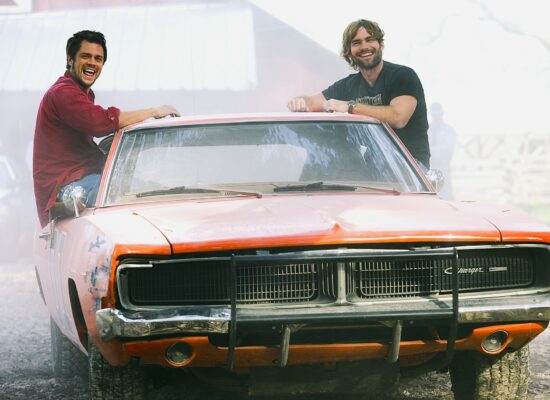
 Nerissa Young is a professor of instruction in the E.W. Scripps School of Journalism at Ohio University. She grew up on a family farm in southern West Virginia. In her classes, Young frequently discusses the effects of stereotypes in news and advertising and the traumatic effects of “isms” in different cultures. She grew up watching the TV show “The Dukes of Hazzard” and will discuss the show’s significance — its popularity led to the feature film — as a bridge between the rural comedies and films of the 1950s and 1960s and the smarter rural series and films of the 1980s up to the present. She agrees with a statement she once heard, “Just because we talk slow doesn’t mean we are.”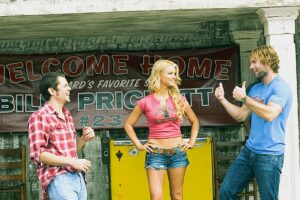


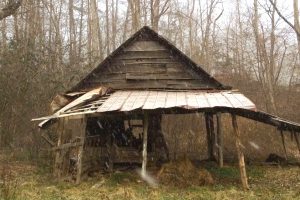 Training their cameras on the people, places, and culture of Appalachia, Rubin and York seek to reclaim the dignity of the term and to portray Appalachians in a more positive and realistic light. By examining over a century’s-worth of media representation of Appalachian culture, and through interviews with people who live in the region, this film is an attempt to shed light on the richness and proud heritage of one of America’s most misunderstood communities.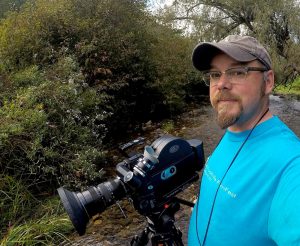

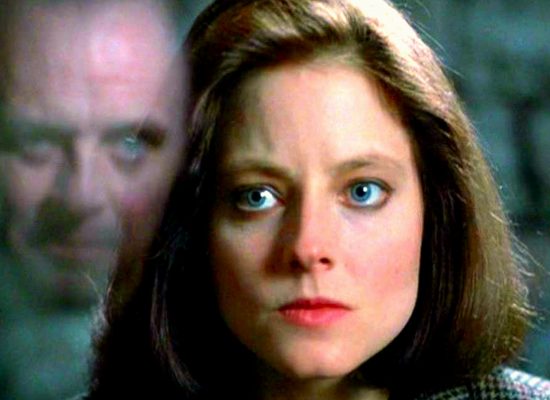
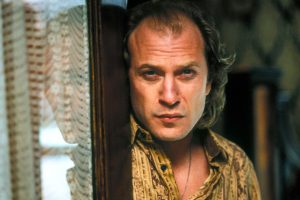 Silence of the Lambs swept the Academy Awards upon its release in 1991, winning 5 of the top honors. Not only has it been recognized as one of the best films of all-time, the character of Clarice Starling (as portrayed by Foster) has been ranked as the “greatest heroine in film history” by the American Film Institute: Foster expertly conveys Starling’s back-story as a young woman with roots in rural West Virginia, showing that a person from Appalachia is capable of overcoming insurmountable odds.
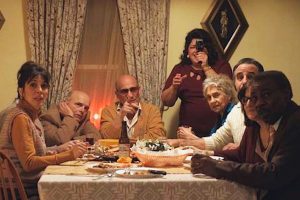 Starring Skyler Gisondo (Licorice Pizza), Madison Iseman, and Joe Pantoliano (The Sopranos), and directed by West Virginia native Robert Tinnell, Feast of the Seven Fishes is a fun comedy about family ties and traditions and what it takes to find your own way in life.
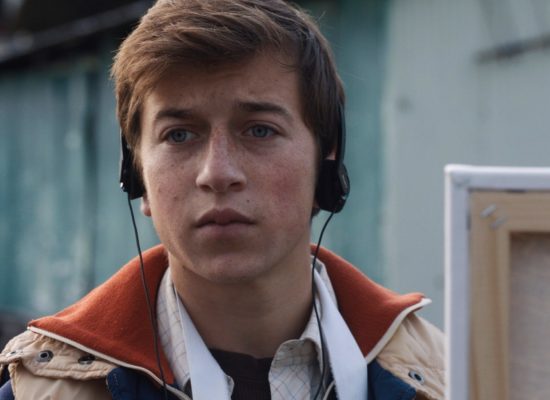

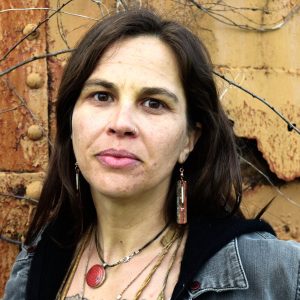 Talcon Quinn
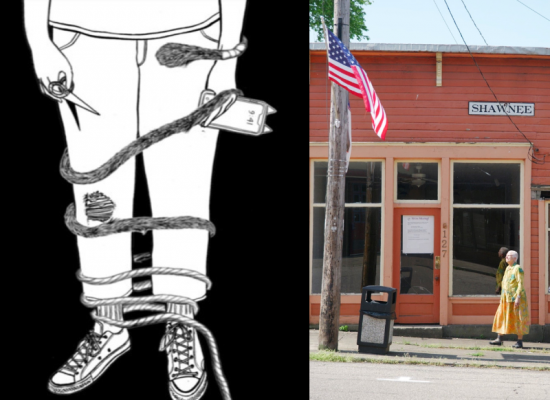
 In 2016 and 2017, filmmaker Elaine McMillion Sheldon spent time in and around Huntington, West Virginia – where the effects of the opioid crisis are 10-times more impactful than the national average – and followed a host of community people who are engaged in the fight against the destructive power of heroin, prescription pills, and fentanyl; particularly, Huntington Fire Chief Jan Rader who walks the frontlines with first-responders dealing with an unprecedented number of daily overdose crises.
 Rebecca Robison-Miller serves as the Senior Director of Community Relations for the Ohio University College of Health Sciences & Professions where she is also an instructor in the Department of Social & Public Health. Rebecca currently leads several initiatives around substance abuse disorder and health disparity for the college in partnership with a wide variety of community partners. Before coming to the university, Rebecca worked in social services and as the director of two local child advocacy non-profit organizations. She is a two-time graduate of Ohio University and involved with a number of local and statewide initiatives, boards and commissions. Rebecca is proud to have grown up in Athens and lives in the community with her husband and daughters.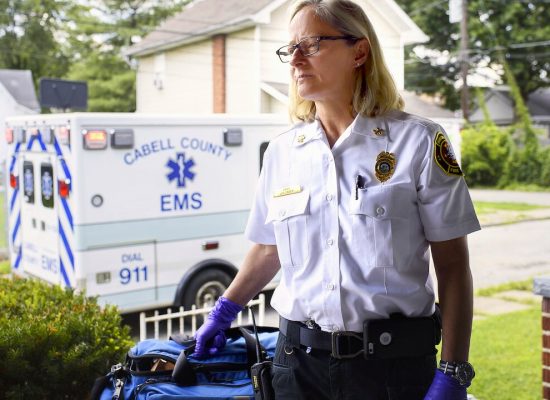
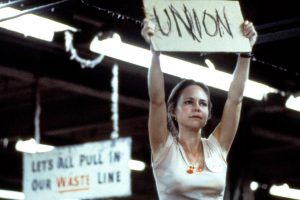 Directed by Martin Ritt (Hud, The Spy Who Came in From the Cold), and starring Beau Bridges, Ron Leibman, and Pat Hingle, this film was nominated for four Oscars – including Best Picture – upon its release in 1979. The story is largely based on the life Crystal Lee Sutton who was fired from her textile factory job for insubordination as a result of her attempts to organize a union among the factory’s workers.
 Dr. Rachel Terman is Eric A. Wagner Associate Professor of Sociology at Ohio University and affiliate faculty with the Appalachian Studies and Women’s, Gender, and Sexuality Studies programs. She will introduce the film by discussing the connections among Appalachia, gender, and labor in a historical and current context.